

The U.S. economy has demonstrated resilience in recent quarters, navigating through various challenges and maintaining steady growth. In the first quarter of 2026, the economy expanded at an annualized rate of 2%, rebounding from a sluggish 0.5% growth in the previous quarter. This uptick was largely attributed to the recovery from a federal government shutdown and robust investments in artificial intelligence sectors.
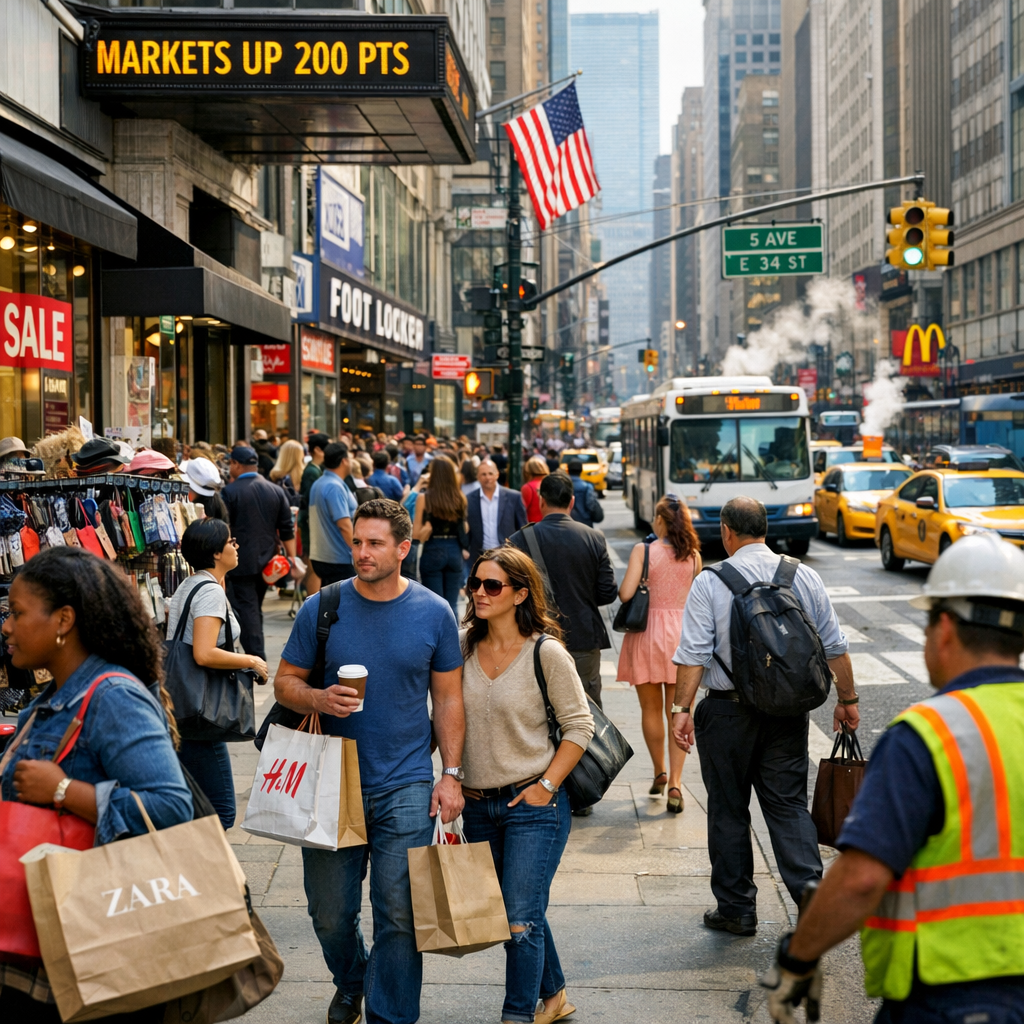
Consumer spending, a significant driver of economic activity, has shown mixed signals. While overall expenditures remain strong, there is a growing trend of households spending beyond their income growth, leading to a decline in personal savings rates. In April 2026, the personal saving rate fell to 2.6%, down from 3.2% in March, indicating increased financial pressure on households.
Inflationary pressures have also been a concern, with the Personal Consumption Expenditures (PCE) Price Index rising by 0.4% in April. This increase is partly due to an energy shock stemming from geopolitical tensions, notably the conflict in Iran, which has disrupted global energy markets and contributed to rising prices.
Despite these challenges, the labor market remains relatively stable. The unemployment rate stood at 4.3% in April 2026, reflecting a steady job market. However, wage growth has been modest, with average hourly earnings reaching $37.41 in April, a slight increase from previous months.
In summary, while the U.S. economy continues to grow, it faces headwinds from rising inflation, geopolitical uncertainties, and changing consumer behaviors. Monitoring these factors will be crucial for understanding the economic trajectory in the coming months.